Structure & Format · 11 books
Best Epistolary Books
An epistolary story is told through documents: letters, diary entries, emails, messages, transcripts, reports, or any paper trail the characters leave behind. There is no all-knowing narrator smoothing things over, only people writing for their own reasons, to persuade, confess, deceive, woo, or simply record, and the reader assembles the truth from what they chose to write and what they conspicuously left out. Readers love the intimacy of the form. Reading someone's letters feels like being trusted with something private, even when, especially when, the writer is lying.
Recognise the form by its artefacts and its gaps. Dates and addresses head the chapters, voices shift with each correspondent, and whole events happen offstage, reported later, contradictorily, or not at all. The gaps are where the suspense lives: the missing week in the diary, the letter answered too quickly, the draft never sent. Modern versions raid inboxes, group chats, and interview transcripts, while classic ones rely on ink and unreliable postal services. Either way, the form turns reading into detective work of the most personal kind. If you enjoy stories you have to piece together from handwriting, this is your format.
Sub-traits of Epistolary
Start here
The best-known epistolary books in the catalogue, ranked by how widely they are read.
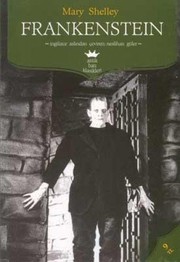
Frankenstein
Mary Wollstonecraft Shelley · 1818
Classic · free to read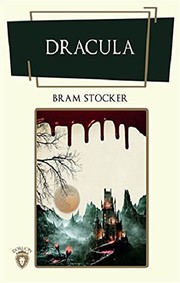
Dracula
Bram Stoker · 1897
Classic · free to read
The Expedition of Humphry Clinker
T. Smollett · 1831
Classic · free to read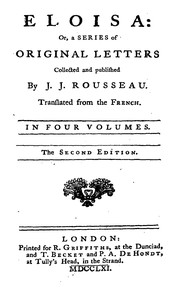
Eloisa
Jean-Jacques Rousseau
Classic · free to read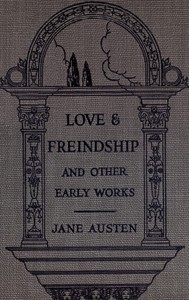
Love and Freindship [sic]
Jane Austen · 2016
Classic · free to read
Letters of Two Brides
Honoré de Balzac · 2000
Classic · free to read
Pamela, or Virtue Rewarded
Samuel Richardson · 2017
Classic · free to read
Daddy-Long-Legs
Jean Webster · 1912
Classic · free to readAll epistolary books (11)

Aurelian
William Ware · 2007 · Classic
Daddy-Long-Legs
Jean Webster · 1912 · Classic
Dracula
Bram Stoker · 1897 · Classic
Eloisa
Jean-Jacques Rousseau · Classic
Evelina, Or, the History of a Young Lady's Entrance into the World
Fanny Burney · 2008 · Classic
Frankenstein
Mary Wollstonecraft Shelley · 1818 · Classic
Lady Susan
Jane Austen · 1925 · Classic
Letters of Two Brides
Honoré de Balzac · 2000 · Classic
Love and Freindship [sic]
Jane Austen · 2016 · Classic
Pamela, or Virtue Rewarded
Samuel Richardson · 2017 · Classic
The Expedition of Humphry Clinker
T. Smollett · 1831 · Classic
No books of this era carry this tag yet.
Related tropes
Tags that most often appear on the same books.
Epistolary — questions
What does "Epistolary" mean in books?
An epistolary story is told through documents: letters, diary entries, emails, messages, transcripts, reports, or any paper trail the characters leave behind. There is no all-knowing narrator smoothing things over, only people writing for their own reasons, to persuade, confess, deceive, woo, or simply record, and the reader assembles the truth from what they chose to write and what they conspicuously left out.…
What is a good Epistolary book to start with?
Start with Frankenstein by Mary Wollstonecraft Shelley, or Dracula by Bram Stoker — the best-known examples in our catalogue. The "Start here" list above ranks the tag's books by how widely they are read.
How many Epistolary books are on NovelTag?
Our catalogue currently lists 11 books tagged Epistolary — 11 classics (free to read on Novel.plus) and 0 modern titles. Tags come from Open Library and Project Gutenberg subject metadata matched against a curated mapping table, plus our own editorial notes — never from scraped reviews.