Sci-Fi Flavours · 28 books
Best Dystopia Books
A dystopia imagines a society organised around control, where a government, corporation, or ideology has traded freedom for order and calls the bargain a success. Surveillance, rationing, propaganda, and punished dissent keep the system running, and most citizens have been taught not to see the cage, or to love it. Somewhere in it, a character starts to see clearly.
Readers are drawn to dystopias because they exaggerate real pressures until the shape of the danger becomes visible. They offer both warning and rebellion: the pleasure of watching someone wake up, find allies, and test whether the system is as total as it claims. Recognise a dystopia by its controlled daily routines described in chilling detail, its official language that renames cruelty as care, and a protagonist whose small act of nonconformity reveals how much force the state needs to answer it. Dystopias endure because each generation finds its own fears reflected in them, surveillance in one decade, scarcity or engineered conformity in another. Readers often describe the same double experience: recognition first, then resolve, since a good dystopia sends you back to your own world looking more carefully.
Sub-traits of Dystopia
Start here
The best-known dystopia books in the catalogue, ranked by how widely they are read.

The Time Machine
H. G. Wells · 1895
Classic · free to read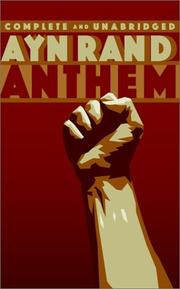
Anthem
Ayn Rand · 1936
Classic · free to read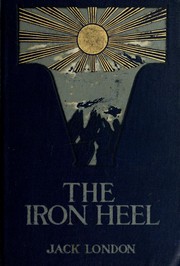
The iron heel
Jack London · 1907
Classic · free to read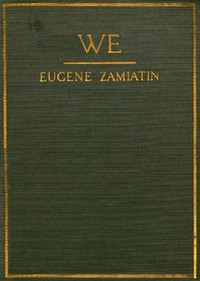
We
Evgenii Ivanovich Zamiatin · 1924
Classic · free to read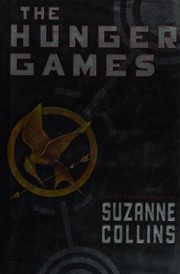
The Hunger Games
Suzanne Collins · 2008
Modern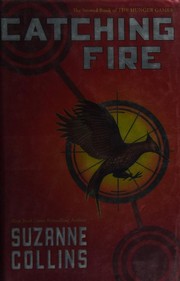
Catching Fire
Suzanne Collins · 2009
Modern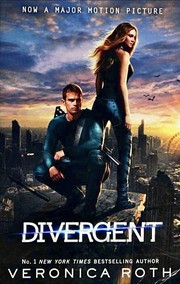
Divergent
Veronica Roth · 2010
Modern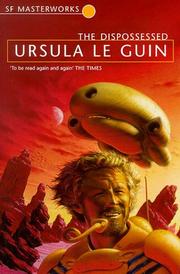
The Dispossessed
Ursula K. Le Guin · 1974
ModernAll dystopia books (28)

1Q84
Haruki Murakami · 2009 · Modern

Annihilation
Jeff VanderMeer · 2014 · Modern
Anthem
Ayn Rand · 1936 · Classic

Borne
Jeff VanderMeer · 2017 · Modern
Catching Fire
Suzanne Collins · 2009 · Modern

Chain-Gang All-Stars
Nana Kwame Adjei-Brenyah · 2022 · Modern
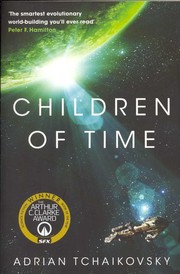
Children of Time
Adrian Tchaikovsky · 2015 · Modern
Divergent
Veronica Roth · 2010 · Modern

Iron Widow
Xiran Jay Zhao · 2019 · Modern
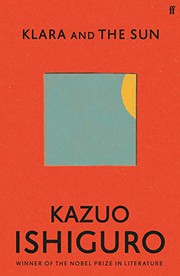
Klara and the Sun
Kazuo Ishiguro · 2019 · Modern
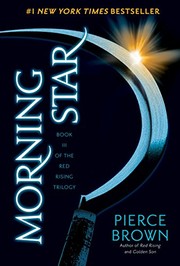
Morning Star
Pierce Brown · 2016 · Modern

Never Let Me Go
Kazuo Ishiguro · 2005 · Modern
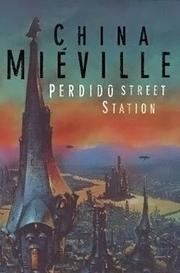
Perdido Street Station
China Miéville · 2000 · Modern
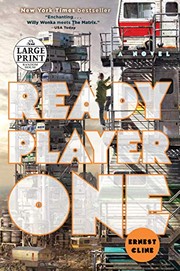
Ready Player One
Ernest Cline · 2008 · Modern
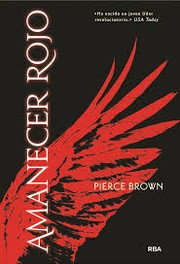
Red Rising
Pierce Brown · 2014 · Modern
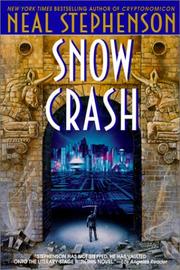
Snow Crash
Neal Stephenson · 1992 · Modern

The Bone Season
Samantha Shannon, Samnatha Shannon, Alana Kerr · 2013 · Modern
The Dispossessed
Ursula K. Le Guin · 1974 · Modern

The Fifth Season
N. K. Jemisin · 2015 · Modern
The Hunger Games
Suzanne Collins · 2008 · Modern
The iron heel
Jack London · 1907 · Classic
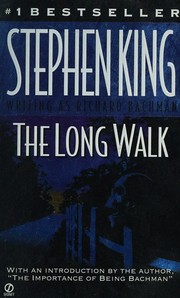
The Long Walk
Stephen King · 1979 · Modern
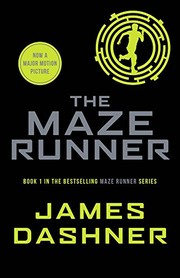
The Maze Runner
James Dashner · 2009 · Modern

The Ministry of Time
Kaliane Bradley · 2024 · Modern
The Time Machine
H. G. Wells · 1895 · Classic

They Both Die at the End
Adam Silvera · 2017 · Modern
We
Evgenii Ivanovich Zamiatin · 1924 · Classic

Who Fears Death
Nnedi Okorafor · 2010 · Modern
No books of this era carry this tag yet.
Related tropes
Tags that most often appear on the same books.
Dystopia — questions
What does "Dystopia" mean in books?
A dystopia imagines a society organised around control, where a government, corporation, or ideology has traded freedom for order and calls the bargain a success. Surveillance, rationing, propaganda, and punished dissent keep the system running, and most citizens have been taught not to see the cage, or to love it. Somewhere in it, a character starts to see clearly. Readers are drawn to dystopias because they…
What is a good Dystopia book to start with?
Start with The Time Machine by H. G. Wells, or Anthem by Ayn Rand — the best-known examples in our catalogue. The "Start here" list above ranks the tag's books by how widely they are read.
How many Dystopia books are on NovelTag?
Our catalogue currently lists 28 books tagged Dystopia — 4 classics (free to read on Novel.plus) and 24 modern titles. Tags come from Open Library and Project Gutenberg subject metadata matched against a curated mapping table, plus our own editorial notes — never from scraped reviews.